In the ever-evolving world of technology, blockchain has emerged as a disruptive force, extending its impact far beyond cryptocurrency. One of the growing use cases of blockchain technology is in the realm of ticketing, where Non-Fungible Tokens (NFTs) are transforming the traditional event ticketing landscape. NFT ticketing companies offer innovative solutions that address long-standing challenges in the industry, from combating fraud and ensuring transparency to enhancing fan engagement and creating new revenue streams. This article explores the key solutions offered by NFT ticketing companies and how they are shaping the future of event management.
Which Solutions Are Offered by NFT Ticketing Companies?
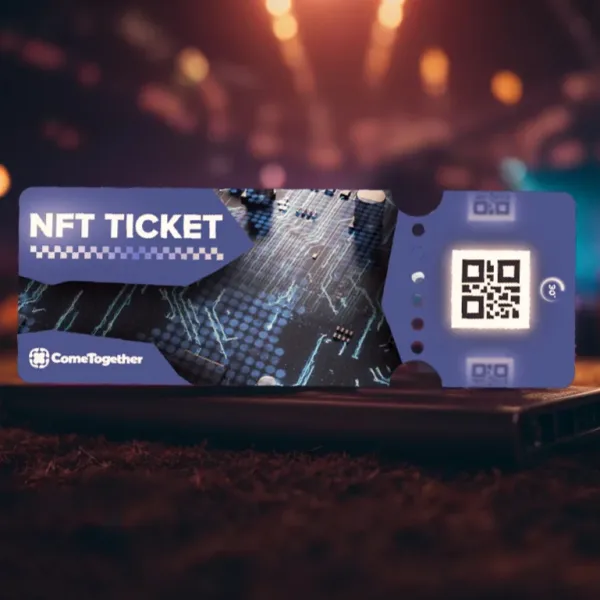
Table of Contents
– Overview of NFT ticketing and its role in event management
Fraud Prevention and Ticket Authenticity
– How NFTs eliminate counterfeit tickets
– Verifiable ticket history on the blockchain
– Use of smart contracts to control ticket resale
– Limiting ticket scalping and setting price caps
– Royalty structures for event organizers
– Decentralized, transparent ticketing process
– Tracking ticket sales and distribution through blockchain
– Custom ticket types and added value
Enhanced Fan Engagement and Experiences
– Offering exclusive content and perks with NFT tickets
– Collectible memorabilia and digital mementos
– Creating unique fan experiences beyond event entry
Streamlined and Secure Ticket Transfer
– Secure, peer-to-peer transfers on the blockchain
– Ensuring validity and upholding ticket conditions
– Simplifying the transfer process for attendees
New Revenue Streams and Opportunities for Monetization
– Earning royalties from secondary market sales
– Creating limited-edition and commemorative NFT tickets
– Bundling digital merchandise with tickets
Fraud Prevention and Ticket Authenticity

One of the most significant challenges in traditional ticketing is fraud. Counterfeit tickets have plagued event organizers and attendees for years, causing financial losses and dissatisfaction. NFT ticketing companies provide a robust solution to this problem by using blockchain technology to issue tickets as unique digital assets. Unlike traditional tickets, NFTs are non-fungible, meaning each ticket is one-of-a-kind and cannot be duplicated or altered.
By issuing tickets as NFTs, companies ensure that each ticket has a verifiable history on the blockchain, making it easy to confirm authenticity. This eliminates the risk of counterfeit tickets, as every NFT is traceable to its original issuer. For event organizers, this means more control over ticket distribution, while attendees can have peace of mind knowing that their tickets are genuine.
Eliminating Ticket Scalping and Price Gouging
Ticket scalping, where individuals or third-party companies purchase large quantities of tickets only to resell them at exorbitant prices, has long been a problem in the ticketing industry. NFT ticketing offers a way to combat this issue by introducing programmable smart contracts.
Smart contracts are self-executing contracts with terms directly written into code. NFT ticketing companies can program rules that limit how tickets can be resold, such as setting price ceilings or restricting resale to certain platforms. This prevents scalpers from hoarding tickets and reselling them for unreasonable prices, ensuring that genuine fans can purchase tickets at fair prices.
Furthermore, organizers can benefit from royalty structures embedded in the smart contracts. Each time an NFT ticket is resold, the original issuer (e.g., event organizers or artists) can receive a percentage of the resale price, creating a new revenue stream and discouraging price gouging.
Enhanced Fan Engagement and Experiences
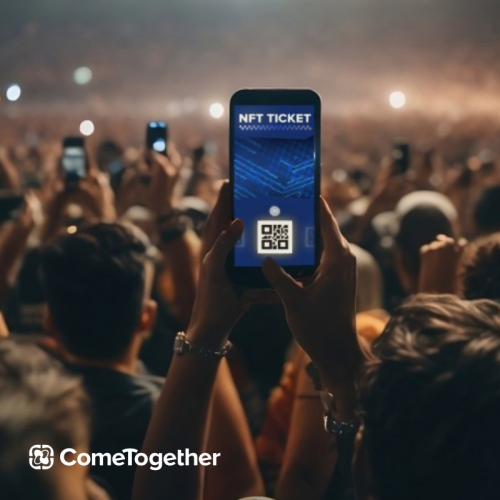
NFTs are not just digital tickets; they also offer the potential to deepen fan engagement by creating unique and interactive experiences. NFT ticketing companies provide solutions that allow event organizers to offer exclusive digital content, rewards, or memorabilia as part of the ticket purchase.
For instance, an attendee could receive an NFT that grants them access to a special performance, behind-the-scenes footage, or exclusive interactions with artists. These NFTs can be collected, traded, or sold as valuable digital assets, creating a new layer of fan engagement and excitement. By offering additional perks or collectible memorabilia as part of the NFT, organizers can provide attendees with a more personalized and memorable experience.
Moreover, NFT tickets can serve as digital mementos, allowing attendees to preserve the memory of their experience in the form of a unique, collectible item that has value even after the event has passed.
Streamlined and Secure Ticket Transfer
In traditional ticketing, transferring a ticket to another individual can be cumbersome and insecure. There is often no reliable way to ensure the validity of a transferred ticket, and some platforms impose strict limits on transfers to prevent fraud. NFT ticketing companies simplify and secure the ticket transfer process by enabling peer-to-peer transfers directly on the blockchain.
Since each NFT ticket is tied to a blockchain record, it can be easily transferred from one user to another without the risk of fraud or invalidation. Smart contracts ensure that all the rules and conditions of the ticket are upheld, and event organizers can maintain oversight of all transfers. This makes it easier for attendees to buy, sell, or give away their tickets without relying on third-party platforms or worrying about security.
New Revenue Streams and Opportunities for Monetization
NFT ticketing creates new opportunities for revenue generation beyond just selling tickets. With the ability to program royalties into smart contracts, event organizers and artists can continue earning from secondary market sales. Additionally, NFT tickets can be bundled with exclusive digital merchandise, such as artwork or music, which can also be sold separately on NFT marketplaces.
Furthermore, the collectible nature of NFTs opens up opportunities for organizers to create limited-edition or commemorative tickets that can become valuable over time. These collectible NFTs can be auctioned or sold at premium prices, providing fans with unique memorabilia while creating additional revenue for the organizers.
NFT ticketing companies are revolutionizing the event industry by offering innovative solutions that address many of the pain points associated with traditional ticketing. From fraud prevention and transparency to enhanced fan experiences and new revenue streams, NFTs provide a versatile and secure alternative to conventional tickets. As the technology continues to evolve, we can expect NFT ticketing to become an integral part of the future of live events, benefiting both organizers and attendees alike. For fans, this means a more secure, engaging, and valuable experience, while event organizers can enjoy greater control and new monetization opportunities. The shift toward NFT ticketing represents a significant step forward in the digital transformation of the entertainment industry.
FAQs
What is NFT ticketing?
NFT ticketing is a new way of issuing event tickets using Non-Fungible Tokens (NFTs), which are unique digital assets stored on a blockchain. These NFTs serve as tickets for entry to events and can offer additional features such as exclusive content or collectible value.
How does NFT ticketing prevent fraud?
NFT tickets are unique and stored on a blockchain, making them verifiable and impossible to counterfeit. Since the blockchain provides a transparent and immutable record of ownership, event organizers and attendees can easily confirm the authenticity of a ticket, reducing fraud risk.
Can NFT ticketing stop scalping and price gouging?
Yes. NFT ticketing companies use smart contracts to control how tickets are resold. These contracts can set rules such as limiting resale prices or restricting resale to approved platforms, which helps prevent scalpers from driving up prices.
How do NFT tickets enhance transparency?
Every transaction related to NFT tickets, from their initial sale to any resale, is recorded on a blockchain. This creates a transparent and traceable system where event organizers can track all ticket activity, ensuring a clear and controlled distribution process.
What are the benefits for event organizers using NFT tickets?
NFT ticketing provides several benefits for organizers:
- Fraud prevention through verifiable ticket authenticity.
- Control over resale markets to prevent scalping.
- New revenue streams via royalties on resold tickets.
- Customization options like bundling VIP perks or exclusive content with tickets.
- Full transparency in ticket sales and distribution.
Can NFT tickets offer more than just event entry?
Yes. NFT tickets can be programmed to include perks such as backstage access, VIP experiences, exclusive digital content, or even collectible memorabilia. These features can enhance fan engagement and add value to the ticket purchase.
How do NFT tickets improve the transfer process?
NFT tickets can be securely transferred between users directly on the blockchain, ensuring authenticity and validity. Smart contracts enforce all the rules related to the ticket, making peer-to-peer transfers safe and seamless without needing third-party platforms.
Can organizers earn money from resold NFT tickets?
Yes. Through smart contracts, event organizers can program royalties into each NFT ticket. When a ticket is resold on secondary markets, a portion of the resale price can go back to the original issuer, creating a new revenue stream.
What is the collectible value of an NFT ticket?
NFT tickets can serve as unique digital collectibles, preserving the memory of the event. Organizers can create limited-edition or commemorative NFT tickets that may increase in value over time, allowing fans to hold onto them as digital memorabilia.
How do NFT tickets contribute to fan engagement?
NFT tickets can offer exclusive digital content, rewards, or experiences, creating a more immersive and engaging fan experience. Attendees might receive bonus content, interact with artists, or access behind-the-scenes footage through their NFT ticket, adding a personalized touch to their event experience.
How can I buy an NFT ticket?
Purchasing an NFT ticket typically involves buying it from a dedicated platform that uses blockchain technology. You may need a digital wallet to store the NFT, and the ticket will be transferred to your wallet upon purchase. Many platforms now aim to simplify the process for non-tech-savvy users.
What happens if I can’t attend the event?
If you can’t attend, you can usually resell your NFT ticket through approved resale platforms or directly transfer it to someone else. Depending on the smart contract rules, some restrictions may apply to the resale price or platform.