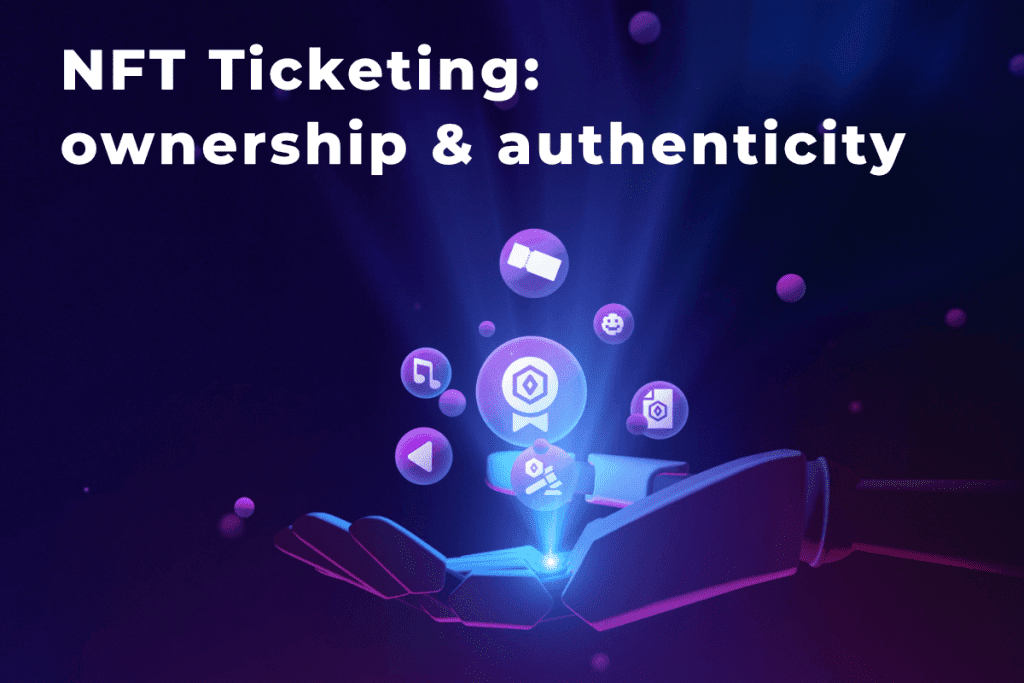
In the rapidly evolving landscape of digital assets, Non-Fungible Tokens (NFTs) have emerged as a revolutionary concept with diverse applications, including ticketing for events, concerts, and sports. Traditional ticketing systems have long been the norm, but NFT ticketing presents a paradigm shift in how tickets are bought, sold, and owned. Let’s delve into a comparative analysis of NFT ticketing versus traditional ticketing to understand the implications and potential advantages of this emerging technology.
NFT ticketing vs traditional ticketing - a comparison
Traditional Ticketing

Traditional ticketing involves the issuance of physical or digital tickets by event organizers, which are then sold through various channels such as box offices, online platforms, or third-party vendors. These tickets are typically stored and managed centrally by the event organizers or ticketing agencies. The process is often marred by issues like counterfeiting, scalping, and lack of transparency.
Advantages:
- Familiarity: Traditional ticketing systems are well-established and familiar to both event organizers and attendees.
- Accessibility: Tickets can be purchased through multiple channels, including physical outlets and online platforms, catering to a broad audience.
- Regulation: Traditional ticketing systems are subject to industry regulations, providing a level of consumer protection.
Disadvantages:
- Fraud and Scalping: Counterfeit tickets and scalping are prevalent issues, leading to financial losses for both organizers and attendees.
- Limited Ownership: Ticket holders have limited control over their tickets and cannot easily transfer or resell them without going through intermediaries.
- Lack of Transparency: The opaque nature of traditional ticketing systems can result in inflated prices and unfair distribution practices.
NFT Ticketing
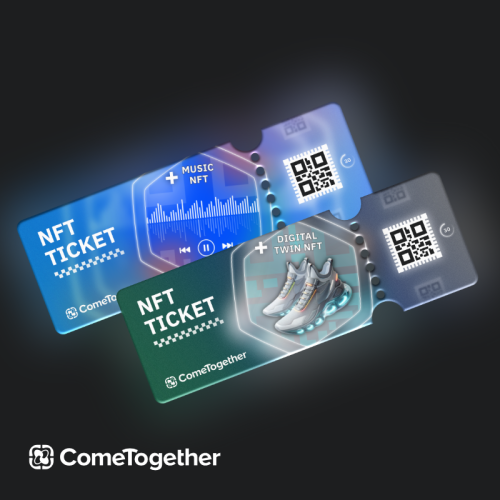
NFT ticketing leverages blockchain technology to create unique, verifiable, and immutable digital tickets represented as NFTs. Each ticket is associated with a unique token ID, providing irrefutable proof of ownership and enabling seamless transferability on decentralized platforms. NFT ticketing promises to address many of the shortcomings of traditional ticketing systems.
Advantages:
- Security and Authenticity: NFTs are tamper-proof and verifiable, virtually eliminating the risk of counterfeit tickets.
- Ownership and Transferability: NFT ticket holders have full ownership rights and can easily transfer, resell, or trade their tickets on secondary markets without the need for intermediaries.
- Smart Contract Automation: NFT ticketing can leverage smart contracts to automate processes such as revenue sharing, royalties for artists, and enforce ticket resale conditions.
Disadvantages:
- Technical Barriers: NFT ticketing relies on blockchain technology, which may pose technical barriers for some users unfamiliar with cryptocurrencies and digital wallets.
- Regulatory Uncertainty: The regulatory landscape surrounding NFTs is still evolving, raising questions about legal frameworks and consumer protections.
- Environmental Concerns: Critics argue that the energy consumption associated with blockchain networks used for NFTs, particularly proof-of-work systems, raises environmental concerns.
Conclusion
While both NFT ticketing and traditional ticketing have their merits and drawbacks, NFT ticketing represents a significant step forward in terms of security, ownership, and transparency. However, challenges such as regulatory uncertainty and environmental concerns need to be addressed for NFT ticketing to realize its full potential. As the technology matures and becomes more widely adopted, NFT ticketing could fundamentally transform the ticketing industry, offering greater efficiency and fairness for organizers and attendees alike.
Table of contents:
- Introduction
- Overview of NFT Ticketing
- Importance of Comparing NFT Ticketing with Traditional Ticketing
- Traditional Ticketing
- Definition and Processes
- Advantages
- Disadvantages
- NFT Ticketing
- Definition and Processes
- Advantages
- Disadvantages
- Conclusion
FAQs
What is NFT ticketing?
NFT ticketing refers to the use of Non-Fungible Tokens (NFTs) to represent event tickets. Each ticket is tokenized as a unique digital asset on a blockchain, providing verifiable proof of ownership and enabling secure and transparent ticket transactions.
How does NFT ticketing differ from traditional ticketing?
Traditional ticketing involves the issuance of physical or digital tickets by event organizers, while NFT ticketing leverages blockchain technology to create unique, verifiable, and immutable digital tickets represented as NFTs. NFT ticketing offers advantages such as enhanced security, ownership rights, and transferability compared to traditional ticketing systems.
What are the advantages of NFT ticketing?
NFT ticketing offers several advantages, including:
– Security and authenticity: NFTs are tamper-proof and verifiable, reducing the risk of counterfeit tickets.
– Ownership and transferability: NFT ticket holders have full ownership rights and can easily transfer, resell, or trade their tickets on secondary markets without intermediaries.
– Smart contract automation: NFT ticketing can leverage smart contracts to automate processes such as revenue sharing and enforce ticket resale conditions.
Are there any disadvantages to NFT ticketing?
While NFT ticketing has many benefits, there are also some drawbacks to consider, including:
– Technical barriers: NFT ticketing relies on blockchain technology, which may pose technical barriers for users unfamiliar with cryptocurrencies and digital wallets.
– Regulatory uncertainty: The regulatory landscape surrounding NFTs is still evolving, raising questions about legal frameworks and consumer protections.
– Environmental concerns: Critics argue that the energy consumption associated with blockchain networks used for NFTs raises environmental concerns, particularly with proof-of-work systems.
How can I purchase NFT tickets?
Purchasing NFT tickets typically involves using a digital wallet that supports the specific blockchain network on which the NFTs are issued. Once acquired, NFT tickets can be stored, transferred, and managed within the digital wallet.
Can I resell my NFT tickets?
Yes, one of the key advantages of NFT ticketing is the ability for ticket holders to resell their tickets on secondary markets without the need for intermediaries. This provides greater flexibility and liquidity for ticket holders.
Are NFT tickets more secure than traditional tickets?
Yes, NFT tickets are generally considered more secure than traditional tickets due to their tamper-proof and verifiable nature on the blockchain. This reduces the risk of counterfeit tickets and enhances overall security for both event organizers and attendees.
What types of events can utilize NFT ticketing?
NFT ticketing can be utilized for a wide range of events, including concerts, sports games, festivals, conferences, and more. Any event that requires ticketing and can benefit from enhanced security, ownership rights, and transferability may consider adopting NFT ticketing technology.
How do I know if an NFT ticket is authentic?
NFT tickets are authenticated through the blockchain, which provides immutable records of ownership and transaction history. By verifying the ticket’s unique token ID on the blockchain, users can confirm its authenticity and ownership status.